

A healthy, well-groomed lawn starts with one decision: picking the right grass cutter. Whether you tend a small backyard or manage acres of open turf, the mowing equipment you choose determines how much time, effort, and money you spend on lawn care every season. This guide breaks down everything you need to know, from machine types to maintenance routines, so you can make a confident, informed choice.
What Is a Grass Cutter and Why It Matters
A grass cutter is any mechanical tool designed to trim overgrown lawns, fields, or gardens to a consistent height. It ranges from simple push-reel devices to advanced self-propelled or robotic units, but the core purpose stays the same: cutting grass evenly while protecting the health of the turf underneath. Choosing the wrong type of mowing equipment often leads to patchy cutting, scalped soil, or excessive strain on both the operator and the machine itself.
Beyond aesthetics, a properly matched cutting machine supports root strength, reduces weed growth, and helps the lawn retain moisture more efficiently. Homeowners who treat their mowing equipment as a long-term investment, rather than a one-off purchase, tend to see healthier lawns with less recurring cost. That mindset shift is often what separates a frustrating lawn care routine from an effortless one, and it starts with understanding what the machine actually does beneath the surface of the grass.
Types of Grass Cutter Machines Available Today
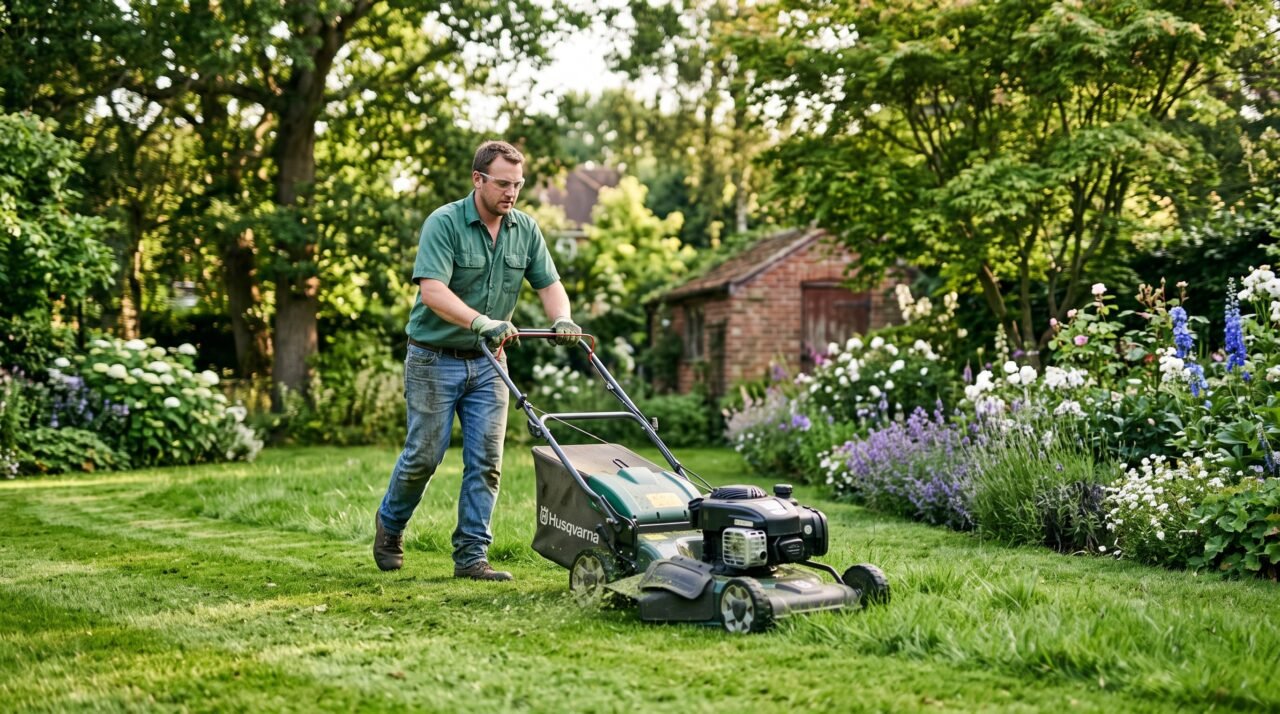
Lawn mowing technology has diversified far beyond the traditional push mower. Today’s market includes manual reel cutters for small, flat yards, petrol-powered machines for larger properties, electric corded or cordless models for quieter suburban use, and increasingly popular robotic units that operate on scheduled automation. Each category serves a different lawn size, terrain type, and maintenance tolerance, which is why no single machine dominates every segment of the market.
Riding mowers, meanwhile, are built for expansive properties where walking the entire area with a standard machine would be impractical. Brush cutters and string trimmers complement these primary tools by handling edges, slopes, and areas a standard cutting machine cannot reach cleanly. Understanding this ecosystem of equipment helps you avoid buying a single unit and expecting it to solve every lawn care challenge at once.
Choosing the Right Grass Cutter for Your Lawn Size
Lawn size is the single biggest factor in selecting a cutting machine, yet it’s the one most buyers underestimate. A compact electric mower suits yards under a quarter acre, offering low noise and minimal upkeep, while petrol or riding models become more cost-effective as square footage grows. Terrain matters too: hilly or uneven ground demands stronger torque and better traction than flat suburban lawns require.
Battery life, cutting width, and fuel access should also factor into the decision. A wider cutting deck reduces the number of passes needed, saving time on larger properties, while narrower decks offer better maneuverability around flower beds and obstacles. Matching these specifications to your actual lawn conditions, rather than the most feature-rich model on the shelf, produces the best long-term results for both your time and your budget.
Petrol, Electric, and Manual Options Compared
Each power source comes with distinct trade-offs in cost, maintenance, and environmental impact. Petrol-powered machines typically deliver the most raw power and run time, making them ideal for large or rugged terrain, but they require fuel, oil changes, and more frequent servicing than other categories. Electric and battery-powered alternatives have narrowed the performance gap significantly while offering quieter operation and lower running costs over the life of the machine.
The table below summarizes how the three primary categories compare across the factors that matter most to everyday users choosing a grass cutter for their property.
| Feature | Petrol-Powered | Electric / Battery | Manual Reel |
|---|---|---|---|
| Best for lawn size | Medium to large | Small to medium | Very small |
| Noise level | High | Low to moderate | Minimal |
| Maintenance needs | Frequent (oil, spark plugs, filters) | Low (battery checks) | Very low |
| Running cost | Higher (fuel) | Moderate (electricity/battery) | Lowest |
| Power output | Strongest | Good, improving with tech | Limited to light grass |
| Environmental impact | Higher emissions | Lower emissions | None |
This comparison shows why there’s no universal “best” option; the right pick always depends on the specific lawn, the terrain, and the user’s priorities around convenience, budget, and sustainability.
Maintenance Tips to Extend Your Machine’s Lifespan
Regular maintenance is what separates a grass cutter that lasts a decade from one that fails within a few seasons. Sharpening the blades at least twice per season prevents tearing the grass instead of cutting it cleanly, which in turn reduces stress on the engine or motor. Cleaning debris from the underside of the deck after each use also stops rust and buildup from affecting performance over time.
Fuel-powered machines benefit from seasonal oil changes, air filter checks, and spark plug replacement, while electric and battery models need occasional connector cleaning and proper off-season charging habits. As one longtime landscaping instructor put it, “A blade you never sharpen isn’t cutting grass anymore, it’s just bruising it.” That single habit, more than any other, keeps a cutting machine performing at its best year after year, regardless of which power source it relies on.
Common Mistakes People Make With Lawn Mowing Equipment
Even experienced homeowners fall into avoidable habits that shorten the life of their mower or damage their lawn. Cutting grass too short, often called scalping, weakens root systems and invites weeds to take hold in the bare patches left behind. Mowing wet grass is another frequent error, since it clogs the deck, clumps unevenly, and can cause the blades to slip rather than slice cleanly.
Skipping blade maintenance ranks among the costliest mistakes, since dull blades force the engine or motor to work harder for a worse result. Many users also mow in the same direction every time, which compacts soil in repetitive tire or wheel tracks. Rotating mowing patterns and respecting the “one-third rule,” never cutting more than a third of the grass height in a single pass, solves both problems at once.
Safety Guidelines Every Grass Cutter User Should Follow
Safety is often overlooked until an incident occurs, yet most mowing accidents stem from a handful of preventable habits. Always clear the lawn of rocks, sticks, and toys before starting, since these objects can become dangerous projectiles when struck by a spinning blade. Wearing closed-toe shoes and eye protection, rather than sandals or bare feet, is a simple step that prevents the majority of reported injuries.
Powering down the machine completely before clearing clogs or making adjustments is non-negotiable, especially with petrol models where blades can continue spinning briefly after the engine stops. Children and pets should stay well clear of the mowing area at all times, not just when the equipment is actively running. These habits take seconds to build into a routine but meaningfully reduce the real-world risks associated with regular mowing sessions.
Emerging Trends Shaping the Future of Lawn Care Technology
The market for mowing equipment is shifting rapidly toward automation and sustainability. Robotic units, once a niche luxury, are now programmed with GPS mapping, obstacle sensors, and app-based scheduling that let homeowners maintain a lawn with almost no manual input. Battery technology has also matured to the point where cordless electric grass cutter models now rival petrol machines in torque and run time for mid-sized properties.
Manufacturers are increasingly focused on noise reduction and lower emissions, driven both by consumer demand and tightening regional regulations in some markets. Smart sensors that detect grass density and automatically adjust cutting speed are becoming standard on premium models rather than rare add-ons. These trends suggest that the next generation of lawn mowing technology will prioritize precision and convenience over raw mechanical power alone, reshaping what buyers expect from a modern lawn care machine.
Budgeting for a New Machine: Cost Factors Worth Knowing
Price differences between mowing categories can be steep, and the sticker price rarely tells the full story. A basic manual reel model might cost a fraction of a petrol or battery unit upfront, but ongoing fuel, replacement blades, and servicing fees add up over several seasons of use. Robotic and premium electric options carry the highest initial investment, yet their lower running costs and reduced labor time often even out the math within a few years.
It helps to think in terms of total cost of ownership rather than the number on the price tag. Warranty length, availability of spare parts, and local service support all influence how much a grass cutter truly costs across its working life. Buyers who factor in these hidden variables tend to avoid the regret that comes from choosing the cheapest option only to face expensive repairs down the road.
Environmental Impact and Sustainable Lawn Care Choices
Lawn care has a measurable environmental footprint, and the equipment used plays a direct role in it. Petrol engines emit exhaust fumes and consume nonrenewable fuel, while electric and battery models draw on grid electricity that may or may not come from clean sources depending on the region. Manual reel mowers, by contrast, produce zero emissions and require no external power at all, making them the lowest-impact choice for small, manageable lawns.
Sustainability-minded homeowners are increasingly pairing efficient equipment choices with broader practices like leaving grass clippings on the lawn as natural fertilizer and reducing mowing frequency during drought periods. These small adjustments, combined with a well-maintained machine, can meaningfully lower a household’s overall lawn care footprint. As regulations around emissions tighten in various regions, the shift toward cleaner-running equipment is likely to accelerate rather than slow down.
Conclusion
Selecting the right grass cutter is less about chasing the most powerful or expensive model and more about matching a machine to your lawn’s size, terrain, and your own maintenance habits. Petrol, electric, manual, and robotic options each solve different problems, and understanding those differences prevents costly, ill-fitting purchases. With consistent blade care, mindful mowing patterns, and basic safety precautions, any cutting machine can deliver years of reliable performance and a consistently healthy, vibrant lawn.
The best approach is rarely the flashiest one on the shelf, but the one genuinely suited to your yard’s conditions and your willingness to maintain it. A well-chosen mower, paired with a little seasonal discipline, rewards you with a lawn that looks professionally kept without professional-level effort or cost.
Frequently Asked Questions
How often should I replace the blades on my grass cutter?
Most manufacturers recommend sharpening the blades every one to two months during active growing season and replacing them entirely once a year or when nicks and cracks appear.
What size mower do I need for a quarter-acre lawn?
A quarter-acre lawn is typically well suited to a mid-sized electric or push petrol machine with a cutting deck between 18 and 21 inches wide.
Are robotic grass cutter models worth the investment?
For homeowners who value convenience and consistent mowing schedules, a robotic model can be worth the higher upfront cost, especially on flat to moderately sloped lawns.
Can I use the same mowing equipment on wet and dry grass?
While most machines technically can, mowing wet grass with a standard mower often causes clumping and uneven cuts, so waiting until the lawn dries is generally recommended.
How do I know when my grass cutter engine needs servicing?
Warning signs include difficulty starting, unusual vibration, reduced power, or visible oil residue, all of which suggest your machine is due for a professional or DIY tune-up.
Read more Best Hiking Backpacks: The Complete Guide to Choosing the Perfect Pack