A hiking backpack is much more than a bag for carrying gear. It determines how comfortable you feel on the trail, how efficiently you organize your equipment, and how much energy you conserve during long adventures. Whether you’re planning your first day hike or preparing for a week-long trek, selecting one of the best hiking backpacks can dramatically improve your outdoor experience.
Modern hiking backpacks combine lightweight materials, ergonomic suspension systems, weather-resistant fabrics, and intelligent storage solutions. This guide explains exactly what separates an average backpack from the best hiking backpacks, helping you invest in equipment that performs reliably for years.
Why Choosing the Right Hiking Backpack Matters
Many hikers focus on boots or trekking poles while overlooking the backpack that carries every essential item. An improperly fitted pack can create shoulder fatigue, lower back pain, poor posture, and unnecessary exhaustion, even on relatively short trails.
The best hiking backpacks distribute weight efficiently through padded hip belts, adjustable shoulder straps, and supportive internal frames. Instead of carrying weight on your shoulders, they transfer most of the load to your hips, allowing you to hike farther with less strain.
What Makes the Best Hiking Backpacks Stand Out
Not every backpack marketed for hiking is designed for demanding outdoor conditions. Premium hiking packs combine durability, comfort, ventilation, load stability, and weather protection without becoming unnecessarily heavy.
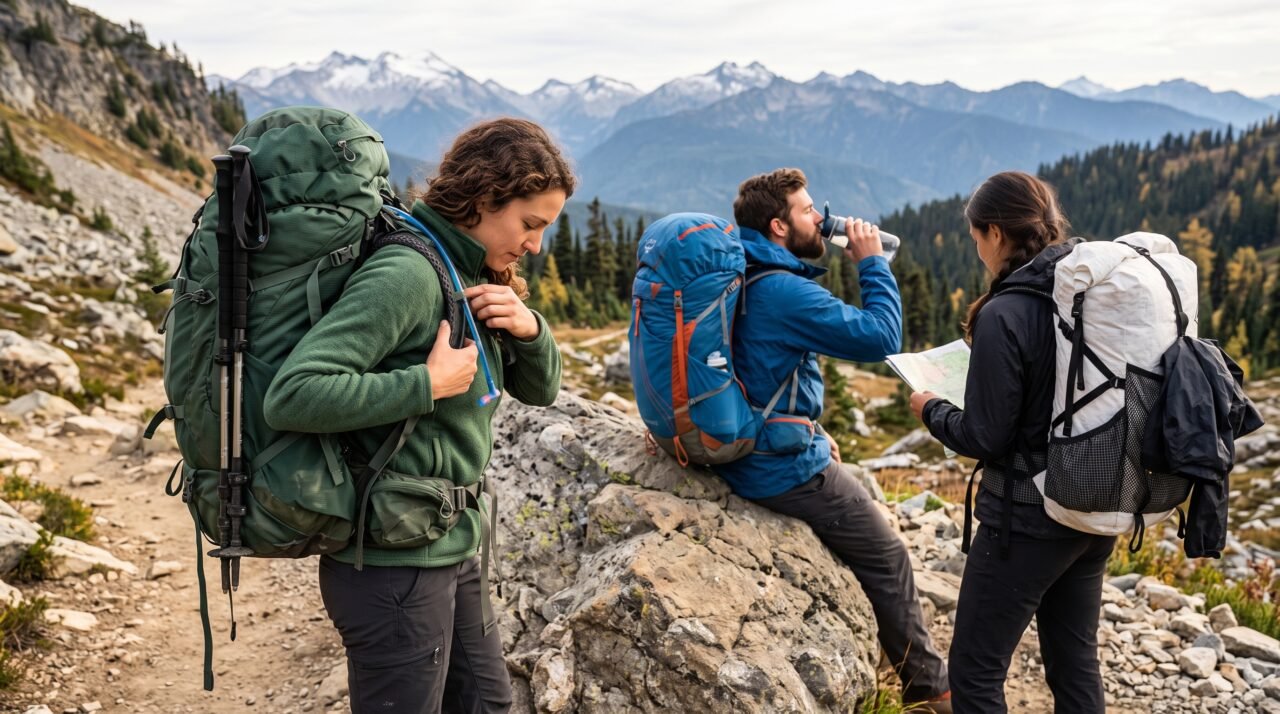
The best hiking backpacks are engineered with thoughtful features such as hydration compatibility, trekking pole attachments, compression straps, multiple access points, reinforced stitching, and breathable back panels. These details improve convenience while maintaining balance across varied terrain.
Understanding Backpack Capacity
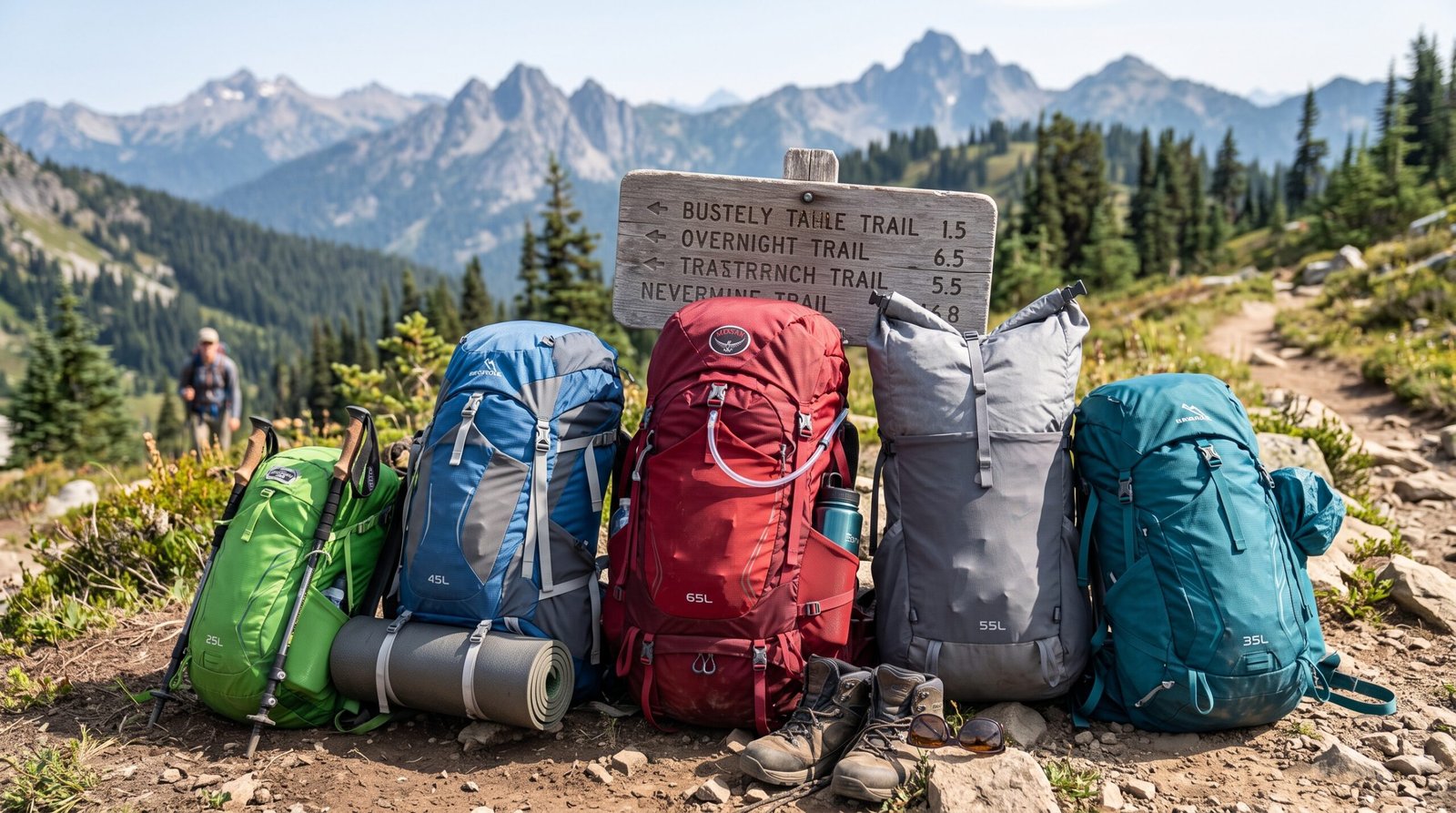
Backpack capacity is measured in liters, and choosing the correct volume depends on the length of your adventure rather than simply carrying as much gear as possible. Larger packs encourage overpacking, while smaller packs may force you to leave behind essential safety equipment.
For most hikers, capacity can generally be divided into several categories:
| Trip Type | Recommended Capacity | Typical Gear |
|---|---|---|
| Short Day Hike | 15–25L | Water, snacks, rain jacket, first aid kit |
| Full Day Adventure | 25–35L | Extra clothing, food, navigation tools |
| Overnight Hiking | 35–50L | Sleeping bag, cooking gear, clothing |
| Weekend Backpacking | 50–65L | Shelter, sleeping system, food supplies |
| Multi-Day Expedition | 65L+ | Extended supplies, winter gear, technical equipment |
Many of the best hiking backpacks are available in multiple sizes, allowing hikers to choose the same design with different carrying capacities rather than compromising on comfort.
Internal Frame vs. Frameless Backpacks
Internal frame backpacks dominate today’s hiking market because they offer excellent weight distribution while remaining stable on uneven trails. Aluminum stays or lightweight composite frames help transfer weight efficiently without limiting mobility.
Frameless backpacks appeal primarily to experienced ultralight hikers who intentionally minimize every ounce of equipment. While lighter, they require careful packing techniques and generally perform best with lower overall loads.
Finding the Correct Fit
Even the highest-rated backpack becomes uncomfortable if it does not fit your body correctly. Torso length is often more important than overall height, making proper measurement essential before purchasing.
The best hiking backpacks typically offer adjustable torso lengths, interchangeable hip belts, and multiple sizing options. A well-fitted backpack should feel balanced without excessive pressure on the shoulders, allowing natural movement while climbing or descending.
Essential Features Worth Paying For
Quality hiking backpacks include features that genuinely improve trail performance rather than adding unnecessary complexity. Functional design always outweighs excessive pockets or decorative accessories.
Look for adjustable load lifters, sternum straps, padded hip belts, hydration sleeves, compression systems, rain cover compatibility, side stretch pockets, and quick-access storage. These features help organize gear efficiently while improving carrying comfort throughout long hikes.
Backpack Materials and Durability
The durability of a hiking backpack depends largely on its materials and construction. High-quality nylon fabrics such as ripstop nylon and high-denier polyester resist tears while remaining relatively lightweight.
Many of the best hiking backpacks also feature reinforced stress points, durable YKK zippers, water-resistant coatings, and abrasion-resistant bottoms. These construction details significantly extend the life of a backpack, especially for hikers who frequently encounter rocky terrain or dense vegetation.
Comfort Technologies That Make a Difference
Modern backpack manufacturers invest heavily in suspension technology because carrying comfort directly affects hiking performance. Well-designed suspension systems reduce fatigue and improve posture during extended outings.
Ventilated mesh back panels, ergonomic shoulder harnesses, flexible frames, and anatomically shaped hip belts all contribute to a more enjoyable hiking experience. The best hiking backpacks balance load stability with airflow, helping reduce perspiration during warm-weather adventures.
Weight vs. Strength: Finding the Right Balance
A lighter backpack may seem like the obvious choice, but minimizing weight should never compromise durability or carrying comfort. Ultralight packs excel for experienced hikers with carefully optimized gear, while beginners often benefit from slightly heavier models that provide superior support.
The best hiking backpacks achieve an excellent balance between lightweight construction and dependable performance. Rather than chasing the lightest possible option, focus on selecting a pack that comfortably supports your expected load without adding unnecessary bulk.
“Take care of your gear, and your gear will take care of you.” This timeless outdoor saying reflects an important truth: investing in quality equipment often pays dividends in comfort, safety, and long-term reliability.
Organization and Accessibility
Efficient organization becomes increasingly valuable as trips grow longer. Constantly unpacking your entire backpack to reach one item wastes time and disrupts carefully balanced packing arrangements.
Top-loading compartments remain popular because they maximize usable space, while front-panel zip openings provide suitcase-style access. Stretch mesh pockets, hip belt pockets, and lid compartments allow hikers to keep frequently used essentials within easy reach without stopping on the trail.
Packing a backpack correctly is just as important as choosing the right one. Heavy items should sit close to your back and near the center of the pack, helping maintain balance and reducing strain during climbs or uneven terrain.
Sleeping bags and lightweight clothing belong near the bottom, while frequently used gear like rain jackets, snacks, maps, and first aid supplies should remain easily accessible. Even the best hiking backpacks perform better when weight is distributed thoughtfully rather than randomly.
Choosing the Right Backpack for Different Hiking Styles
Every hiking adventure has unique demands, so one backpack rarely fits every situation. A lightweight day hiker has very different needs than someone preparing for a week-long wilderness expedition or alpine trek.
The best hiking backpacks are available in specialized designs for day hiking, ultralight backpacking, mountaineering, winter camping, and long-distance thru-hikes. Matching your backpack to your typical adventures ensures better comfort, efficiency, and durability over time.
Women’s vs. Men’s Hiking Backpacks
While many backpacks are unisex, models designed specifically for women often feature shorter torso lengths, narrower shoulder straps, and differently shaped hip belts to provide a more comfortable fit. These adjustments improve weight distribution without sacrificing carrying capacity.
Men’s models generally offer longer torso dimensions and wider shoulder spacing, although individual body shape matters more than labels. The best hiking backpacks are available in multiple sizes, making proper fitting more important than choosing a gender-specific design alone.
Common Mistakes When Buying a Hiking Backpack
One of the biggest mistakes hikers make is purchasing a backpack based solely on storage capacity. A large pack may seem practical, but it often encourages unnecessary packing, increasing overall weight and reducing hiking efficiency.
Another common error is ignoring fit or prioritizing price over comfort. Even premium materials cannot compensate for poor sizing, and an uncomfortable backpack can quickly turn an enjoyable hike into an exhausting experience. Testing several models before buying is always worthwhile.
How to Care for Your Hiking Backpack
Proper maintenance extends the life of your backpack and helps preserve its performance. After each trip, empty every compartment, remove dirt with a soft brush, and wipe the fabric using mild soap and lukewarm water when necessary.
Allow the backpack to air dry completely before storing it in a cool, dry location away from direct sunlight. Avoid machine washing or harsh detergents, as they can damage protective coatings, stitching, and structural components found in the best hiking backpacks.
Sustainability and Modern Backpack Design
Environmental responsibility has become an important consideration for outdoor brands. Many manufacturers now use recycled nylon, bluesign®-approved fabrics, PFC-free water-resistant coatings, and environmentally responsible production methods.
Consumers increasingly value equipment that lasts for years rather than seasons. The best hiking backpacks often combine premium craftsmanship with repair programs and durable construction, reducing waste while providing excellent long-term value.
Current Trends in Hiking Backpacks
Recent innovations focus on reducing weight without sacrificing support. Advanced composite frame materials, laser-cut attachment points, breathable suspension systems, and modular storage options continue to improve backpack performance.
Technology is also influencing design through lighter fabrics, improved waterproof treatments, and ergonomic adjustments that accommodate a wider variety of body shapes. These developments make today’s hiking backpacks more comfortable and versatile than previous generations.
How to Choose the Best Hiking Backpack for Your Budget
A higher price does not always guarantee a better backpack. Instead of focusing solely on cost, evaluate construction quality, suspension design, durability, warranty coverage, and long-term performance.
Budget-conscious hikers can still find excellent options by prioritizing fit and essential features over premium extras. The best hiking backpacks provide outstanding value when they match your hiking style and continue performing reliably for many years.
Final Buying Advice
Choosing a hiking backpack should never be rushed. Visiting an outdoor retailer, loading a backpack with weight, adjusting the straps, and walking around can reveal far more than product descriptions alone.
The ideal backpack feels like a natural extension of your body rather than a burden. When comfort, capacity, durability, and organization work together, every trail becomes more enjoyable, whether you’re exploring local parks or tackling challenging mountain routes.
Conclusion
Finding the best hiking backpacks requires balancing comfort, fit, capacity, durability, and intended use rather than simply selecting the most expensive model. A well-designed backpack reduces fatigue, protects your gear, and allows you to focus on the adventure instead of the load you’re carrying.
As hiking equipment continues to evolve, today’s backpacks offer remarkable improvements in ventilation, weight distribution, and organization. Investing time in choosing the right backpack will reward you with years of comfortable outdoor exploration, making every hike safer, more efficient, and significantly more enjoyable.
FAQ
What size is best for hiking backpacks?
The best hiking backpacks depend on your trip length. Day hikes usually require 15–35 liters, overnight trips need 35–50 liters, while multi-day adventures often require 50–70 liters or more.
How should a hiking backpack fit?
A hiking backpack should transfer most of its weight to your hips rather than your shoulders. The hip belt should sit comfortably around your hips, while the shoulder straps provide stability without excessive pressure.
Are expensive hiking backpacks worth buying?
Premium backpacks often include better suspension systems, stronger materials, improved ventilation, and longer warranties. Frequent hikers usually benefit from the added comfort and durability these features provide.
What is the difference between a hiking backpack and a regular backpack?
Hiking backpacks are specifically engineered for outdoor use, featuring ergonomic support systems, adjustable harnesses, weather-resistant materials, and specialized storage that ordinary backpacks typically lack.
How much weight should I carry in a hiking backpack?
Most hikers aim to carry between 15% and 25% of their body weight, depending on fitness level, trail conditions, and trip duration. Packing only essential gear helps improve comfort and reduce fatigue.
Are waterproof hiking backpacks necessary?
Most hiking backpacks are water-resistant rather than fully waterproof. Using a rain cover or waterproof dry bags inside the backpack offers excellent protection during heavy rain.
How long do the best hiking backpacks last?
With proper care and regular maintenance, the best hiking backpacks can last for many years. High-quality materials, reinforced stitching, and responsible storage significantly extend their lifespan.
Can beginners use professional hiking backpacks?
Yes. Beginners can benefit from professional-quality backpacks, provided they choose the correct size and fit. A comfortable, supportive backpack makes learning outdoor skills easier and more enjoyable.
Read more The Best Cordless Vacuum for Pet Hair: A Complete Buyer’s Guide