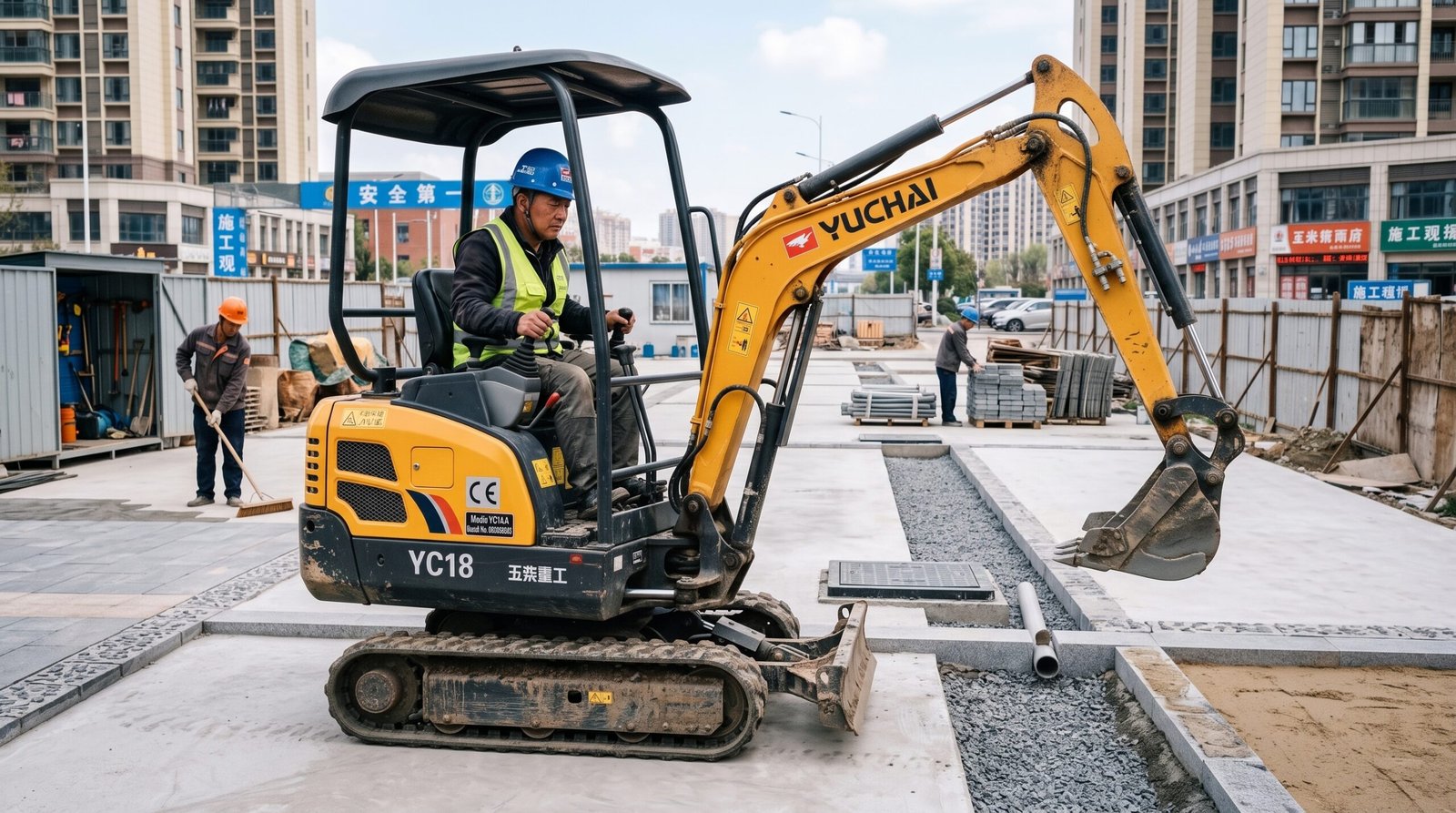
The chinese mini excavator has become one of the fastest-growing pieces of compact construction equipment in today’s global market. Once viewed primarily as a budget alternative, modern Chinese manufacturers now produce mini excavators that offer competitive performance, improved reliability, and a wide range of features suitable for construction, landscaping, farming, utility work, and residential projects.
For contractors and equipment owners, purchasing a mini excavator represents a significant investment. Understanding engine quality, hydraulic systems, operating weight, attachment compatibility, maintenance requirements, and manufacturer reputation can make the difference between a machine that delivers years of productivity and one that creates unnecessary downtime. This guide explores everything buyers should know before investing in a Chinese-built mini excavator.
Why Chinese Mini Excavators Are Growing in Popularity
Over the past decade, Chinese equipment manufacturers have invested heavily in advanced production facilities, research, automation, and quality control. Many now manufacture machines that meet international safety and emissions standards while remaining competitively priced.
The affordability of these machines allows small contractors, rental companies, landscapers, and farmers to purchase equipment that might otherwise exceed their budgets. As a result, compact excavators from China are becoming increasingly common across job sites worldwide.
What Is a Mini Excavator?
A mini excavator is a compact hydraulic digging machine generally weighing between one and ten tons. Despite their smaller size, these machines perform numerous tasks including trenching, grading, demolition, excavation, lifting, and material handling.
Unlike larger excavators, mini excavators can operate in confined spaces such as residential yards, narrow streets, greenhouses, and indoor renovation projects. Their compact dimensions reduce ground disturbance while maintaining excellent maneuverability.
Key Features of a Chinese Mini Excavator
Most modern chinese mini excavator models include hydraulic boom control, rubber or steel tracks, compact swing radius, adjustable blade systems, and multiple attachment options. Higher-end models also feature enclosed cabs, climate control, touchscreen displays, and joystick-operated hydraulic controls.
Manufacturers increasingly incorporate fuel-efficient diesel engines, improved hydraulic pumps, reinforced frames, and ergonomic operator stations. These upgrades enhance productivity while reducing operator fatigue during long working hours.
Understanding Weight Classes
Mini excavators are available in several operating weight categories designed for different applications. Choosing the appropriate size ensures maximum efficiency while avoiding unnecessary fuel consumption and transportation costs.
Machines weighing around one ton excel in residential landscaping and light utility work, while three to five-ton models provide additional digging depth and lifting capacity suitable for commercial construction and municipal projects.
Engine Performance and Reliability
Engine quality significantly influences long-term ownership costs. Many Chinese manufacturers now equip their machines with internationally recognized engines or engines built to meet stringent emissions regulations, improving both efficiency and durability.
Fuel consumption has also improved considerably in recent years. Modern engines deliver sufficient power for demanding applications while minimizing operating expenses, making ownership more economical for small businesses.
Hydraulic System Performance
The hydraulic system serves as the heart of every excavator. Smooth hydraulic flow enables precise bucket movement, faster cycle times, and greater control during delicate excavation work.
Premium hydraulic components reduce internal leakage and maintain consistent pressure even during extended operation. Buyers should evaluate pump capacity, auxiliary hydraulic flow, and system responsiveness before making a purchasing decision.
Common Applications
A chinese mini excavator performs exceptionally well across numerous industries. Landscapers use them for planting trees, grading soil, digging ponds, and preparing foundations, while contractors rely on them for trenching, demolition, and utility installation.
Farm owners also benefit from compact excavators when clearing drainage channels, installing fencing, digging irrigation systems, or moving materials around the property. Their versatility often replaces several pieces of specialized equipment.
Attachment Compatibility
One of the greatest advantages of mini excavators is their compatibility with numerous attachments. Hydraulic breakers, augers, grapples, rippers, trench buckets, grading buckets, and compactors greatly expand the machine’s capabilities.
Quick-coupler systems allow operators to switch attachments within minutes, improving productivity and reducing labor costs. Businesses that regularly perform different types of work benefit significantly from this flexibility.
Comparing Important Buying Factors
| Feature | Entry-Level Models | Mid-Range Models | Premium Models |
|---|---|---|---|
| Engine Power | Basic diesel | Higher efficiency | Premium international engines |
| Hydraulic Performance | Standard | Improved flow | High-performance precision |
| Operator Comfort | Open canopy | Optional cab | Fully enclosed climate-controlled cab |
| Attachment Support | Basic | Multiple options | Extensive hydraulic compatibility |
| Technology | Manual gauges | Digital display | Advanced monitoring system |
| Maintenance Access | Standard | Improved accessibility | Simplified service points |
| Best For | Homeowners | Small contractors | Commercial professionals |
Operator Comfort and Safety
Comfort directly affects productivity during long workdays. Adjustable seats, ergonomic joysticks, spacious foot controls, and low vibration levels reduce fatigue while improving precision.
Safety features have also advanced significantly. Many newer machines include rollover protection structures (ROPS), falling object protection systems (FOPS), backup alarms, LED work lights, emergency shutoffs, and improved visibility from the operator’s station.
Fuel Efficiency and Operating Costs
Fuel represents one of the largest long-term operating expenses. Fortunately, newer compact excavators use electronically optimized engines and efficient hydraulic systems that reduce fuel consumption without sacrificing digging performance.
Lower maintenance costs also contribute to affordability. Easily accessible filters, centralized grease points, and simplified engine compartments reduce service time while lowering routine maintenance expenses.
Maintenance Best Practices
Routine maintenance remains essential regardless of brand. Daily inspections should include checking engine oil, hydraulic fluid, coolant levels, track condition, grease fittings, and visible hydraulic hoses for signs of wear.
Following manufacturer-recommended service intervals extends machine life considerably. Replacing filters on schedule, maintaining proper track tension, and using quality lubricants reduce unexpected breakdowns and preserve resale value.
Parts Availability
Replacement parts have become increasingly accessible through international distributors and online suppliers. Many manufacturers now maintain overseas warehouses, reducing shipping times and improving customer support.
Before purchasing any machine, buyers should confirm local parts availability and dealer support. Reliable access to filters, seals, hydraulic components, and wear parts minimizes costly downtime during busy work seasons.
Build Quality Has Improved
Earlier perceptions regarding Chinese construction equipment have changed substantially. Modern manufacturing techniques, robotic welding, CNC machining, and stricter quality inspections have improved structural integrity and overall reliability.
Many factories now produce equipment for internationally recognized brands or follow global manufacturing standards, resulting in machines capable of competing in demanding commercial environments.
Choosing the Right Dealer
Selecting a reputable dealer can be just as important as selecting the machine itself. Experienced dealers provide technical support, warranty service, operator training, spare parts, and maintenance guidance long after the initial purchase.
Buyers should research dealer reviews, warranty terms, service response times, and inventory availability before finalizing any equipment investment.
for prices and more click here
“The true value of construction equipment isn’t measured by purchase price alone—it is measured by productivity, reliability, and lifetime operating cost.”
Factors to Consider Before Buying
Before purchasing a chinese mini excavator, carefully evaluate the type of work you perform most often. Residential landscaping typically requires a lighter machine with excellent maneuverability, while commercial construction projects may demand greater digging depth, lifting capacity, and hydraulic power.
Transportation is another important consideration. Ensure your trailer, towing vehicle, and job site access can safely accommodate the excavator’s operating weight and dimensions. A machine that is too large may increase transportation costs and limit access to confined work areas.
Choosing the Right Size
Mini excavators are available in multiple size categories, each suited to specific applications. Compact one-ton models are ideal for homeowners, small farms, and landscaping, while larger five-ton units offer the strength needed for utility installation and commercial excavation.
Purchasing the correct size improves efficiency and reduces operating expenses. An oversized machine may consume more fuel than necessary, while an undersized excavator can struggle with demanding tasks and increase project completion times.
Understanding Total Ownership Costs
The purchase price represents only one portion of equipment ownership. Buyers should also calculate fuel consumption, maintenance, replacement parts, insurance, transportation, operator training, and depreciation before making a final decision.
A slightly higher-priced excavator with superior reliability often proves more economical over several years than a cheaper model requiring frequent repairs. Evaluating long-term value rather than upfront cost leads to better investment decisions.
Warranty and After-Sales Support
Warranty coverage provides valuable protection against manufacturing defects and unexpected component failures. Compare warranty periods, covered parts, and labor policies when evaluating different manufacturers and dealers.
Reliable after-sales support is equally important. Dealers that offer technical assistance, maintenance guidance, spare parts, and responsive customer service help minimize downtime and keep projects on schedule.
Common Misconceptions
One common misconception is that every chinese mini excavator offers poor quality. While quality varies among manufacturers, many established Chinese brands now produce durable machines that meet international performance and safety standards.
Another misconception is that replacement parts are impossible to obtain. Today, many manufacturers maintain regional warehouses and dealer networks that supply common wear parts, hydraulic components, and filters with relatively short delivery times.
Financing Options
Many equipment dealers partner with financing institutions to make purchasing more accessible for contractors and small businesses. Monthly payment plans allow buyers to acquire productive equipment without making a large upfront investment.
Leasing is another practical option for businesses that regularly upgrade machinery. It can reduce initial costs while providing access to newer technology and warranty coverage throughout the lease term.
Resale Value
Resale value depends on maintenance history, operating hours, brand reputation, and overall machine condition. Keeping accurate service records and performing regular maintenance helps preserve value when it’s time to sell or trade in the excavator.
Machines with clean hydraulic systems, well-maintained tracks, and documented servicing generally attract more buyers and command stronger resale prices than poorly maintained equipment.
Technology Continues to Improve
Modern compact excavators increasingly incorporate digital displays, diagnostic systems, GPS-ready technology, fuel monitoring, and advanced hydraulic controls. These innovations improve efficiency while helping operators identify maintenance needs before they become major repairs.
Some manufacturers are also introducing telematics systems that allow fleet owners to monitor machine location, fuel usage, maintenance schedules, and operating hours remotely. These features improve fleet management and reduce unnecessary downtime.
Environmental Considerations
Many newer excavators are designed to comply with international emissions regulations through cleaner diesel engines and improved combustion technology. Lower emissions contribute to reduced environmental impact while meeting regulatory requirements in many markets.
Fuel-efficient hydraulic systems also reduce overall fuel consumption, lowering operating costs and decreasing carbon emissions throughout the machine’s service life. These improvements benefit both contractors and environmentally conscious customers.
Industry Trends
Demand for compact construction equipment continues to grow as urban development projects require machinery capable of working in confined spaces. Contractors increasingly value machines that combine versatility, fuel efficiency, and low operating costs.
Chinese manufacturers continue investing in automation, research, and engineering to compete in global markets. As technology advances, buyers can expect improved quality control, enhanced operator comfort, and expanded attachment compatibility across future models.
Tips for First-Time Owners
If this is your first excavator purchase, invest time in operator training before beginning large projects. Proper machine operation not only improves productivity but also reduces unnecessary wear on hydraulic systems, tracks, and attachments.
Developing a routine maintenance schedule is equally important. Daily inspections, regular lubrication, and prompt replacement of worn components help prevent costly repairs while maximizing equipment lifespan.
Maximizing Productivity
Selecting the correct attachment for each task dramatically increases efficiency. Using a grading bucket for finishing work, an auger for post holes, or a hydraulic breaker for demolition allows the excavator to perform multiple roles without requiring additional specialized machines.
Planning excavation work before arriving on-site also improves productivity. Efficient machine positioning, organized material handling, and proper trench layout reduce unnecessary movement and save both time and fuel.
Is a Chinese Mini Excavator Right for You?
For many contractors, landscapers, property owners, and agricultural businesses, a chinese mini excavator offers an attractive combination of affordability, versatility, and dependable performance. The key is selecting a reputable manufacturer supported by a reliable dealer network.
Carefully comparing specifications, warranty coverage, hydraulic performance, and long-term ownership costs ensures the chosen machine matches your operational needs. A well-researched purchase can provide years of productive service while delivering an excellent return on investment.
Conclusion
The chinese mini excavator has evolved into a practical and competitive solution for professionals seeking reliable compact construction equipment without exceeding their budgets. Modern manufacturing improvements, stronger hydraulic systems, better engines, and enhanced operator comfort have significantly increased their value across industries ranging from landscaping and agriculture to commercial construction and municipal maintenance.
Choosing the right excavator involves more than comparing purchase prices. Buyers should evaluate machine size, hydraulic capability, engine performance, attachment compatibility, dealer support, warranty coverage, and long-term operating costs. When these factors are considered together, a quality Chinese-built mini excavator can become a productive asset that delivers dependable performance, excellent versatility, and strong value for many years.
Read more Kids Football Boots: Nike vs Adidas – Which Brand Should You Choose?
FAQ
What is a Chinese mini excavator used for?
A chinese mini excavator is commonly used for trenching, landscaping, demolition, utility installation, farming, grading, digging foundations, drainage projects, and material handling in confined work areas.
Are Chinese mini excavators reliable?
Many modern models are reliable when purchased from reputable manufacturers. Build quality has improved significantly through better engineering, advanced manufacturing, and stricter quality control processes.
How long does a Chinese mini excavator last?
With proper maintenance, quality components, and responsible operation, a well-maintained mini excavator can provide thousands of productive operating hours over many years.
Can a Chinese mini excavator use different attachments?
Yes. Most models support a wide range of attachments, including hydraulic breakers, augers, grapples, trench buckets, grading buckets, compactors, and rippers, greatly expanding their versatility.
Are replacement parts easy to find?
For established manufacturers, replacement parts are increasingly available through international distributors, online suppliers, and regional warehouses, making maintenance more convenient than in the past.
What size mini excavator should I buy?
The ideal size depends on your work. One- to two-ton machines are excellent for landscaping and residential projects, while three- to five-ton models are better suited for commercial construction and heavier excavation tasks.
Is buying new better than buying used?
A new machine typically includes warranty coverage, the latest technology, and lower maintenance requirements. A well-maintained used excavator can also provide excellent value if it has documented service records and is inspected carefully before purchase.
What should I inspect before purchasing a mini excavator?
Inspect the engine, hydraulic system, boom, bucket, tracks, undercarriage, controls, service history, warranty coverage, and parts availability. A thorough inspection helps ensure you invest in a reliable machine that meets your operational needs.